
Energy-Efficient Low-E Glass
Glass is usually the biggest source of heat gain and loss in a commercial building. Low-E insulated glass cuts energy costs, improves comfort and meets current energy codes.
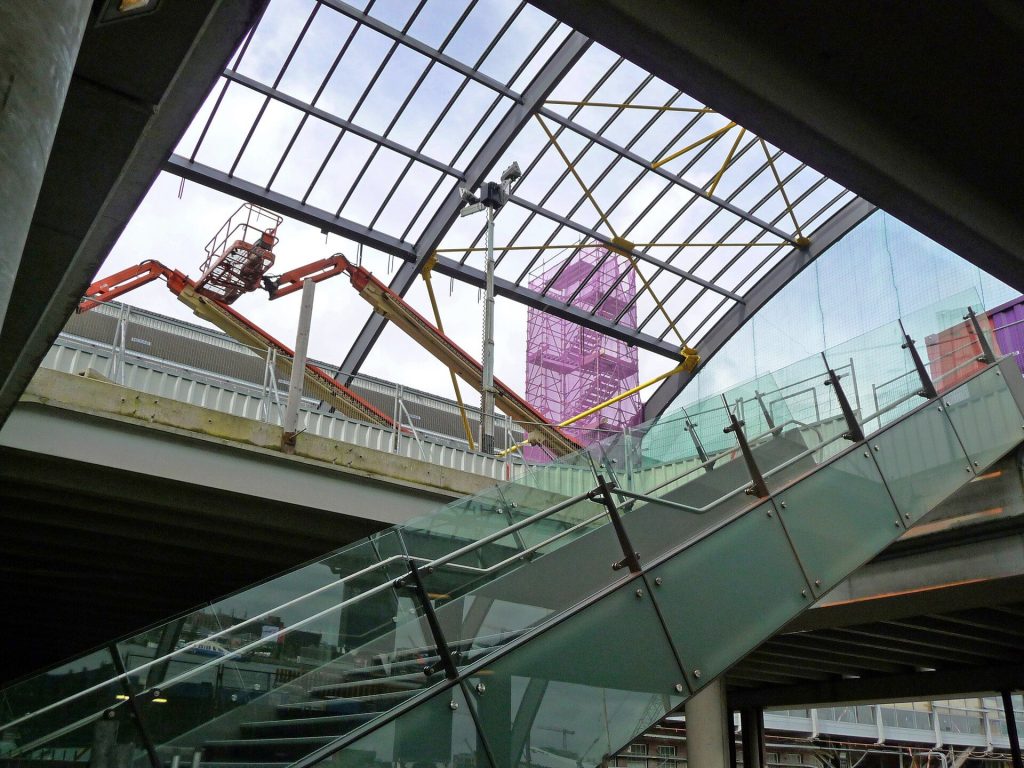
How low-E glass works
Low-emissivity (low-E) glass has a microscopically thin metal oxide coating that reflects infrared heat while letting visible light through. In an insulated unit, the coating keeps heat inside in winter and reduces solar heat coming in during summer. Different coatings are tuned for different climates: high solar control for hot, sunny regions and higher solar gain for cold ones.
The numbers that matter
- U-factor: how much heat passes through. Lower is better insulation.
- Solar heat gain coefficient (SHGC): how much solar heat comes in. Lower is better in hot climates.
- Visible transmittance (VT): how much daylight comes in.
- Light-to-solar gain ratio: daylight relative to heat, higher is better for most commercial buildings.
Energy codes
When storefronts, windows or curtain wall are replaced, the new glazing must meet the energy code adopted by the jurisdiction, which sets maximum U-factor and SHGC values by climate zone. Some states and cities, such as California’s Title 24 and the Massachusetts energy code, go further. We specify glass and frames that meet the applicable values and provide documentation for the permit.
Upgrading existing glass
Failed or single-pane units can often be replaced with low-E insulated units in the existing frames, which delivers much of the benefit without replacing the system. Where frames are not thermally broken, replacing the whole system gives the best results.
Glass emergency?
Shattered storefront, broken door or a smashed window after a break-in? Call now and we will make the opening safe and secure.
Energy-Efficient Low-E Glass questions
Do not see your question? Call and talk to a glazing specialist.
How much can low-E glass save?
Savings depend on climate, orientation and the glass being replaced, but upgrading from single-pane or clear insulated glass usually makes a noticeable difference in cooling and heating costs and comfort.
Does low-E glass look tinted?
Most modern low-E coatings are nearly clear, with a slight tint depending on the coating.
Can low-E glass go in my existing storefront?
Often, yes, if the frame can take insulated units of the right thickness.
Is low-E glass required by code?
Energy codes set U-factor and SHGC limits that, in practice, require low-E insulated glass for most new and replacement glazing.
Get the glass fixed, or the new storefront built
Send photos and rough sizes, or have us measure on site. We return a written, line-item estimate.